
یہ بھی دیکھیں


 04.08.2026 12:53 AM
When it's thin, it tears. Investors have been betting on the strength of the U.S. dollar for so long that they have turned long positions on the greenback into the most aggressive since 2014. It was only a matter of time before a trigger was found to cause this structure to collapse, and it materialized in two places—Tokyo and Washington.
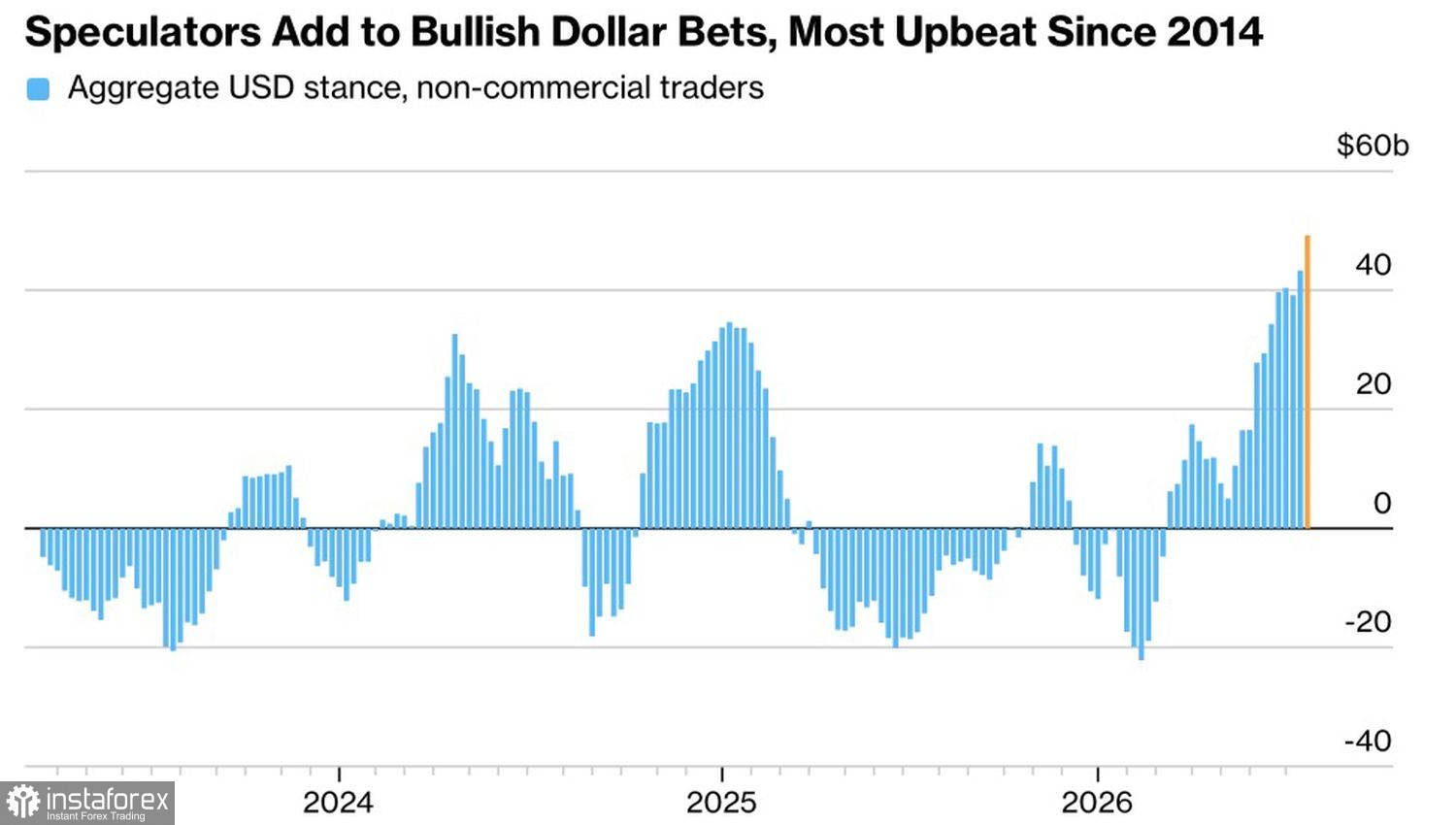
Last week, the Federal Reserve paused its rate-hiking cycle, immediately raising doubts about Kevin Warsh's resolve to combat inflation. The derivatives market was already nervous; the new chairman's abilities had been questioned since his appointment. However, these doubts remained on paper until after the meeting, when they manifested in sell-offs of the U.S. dollar.
The following day, Japan struck from another flank. A coordinated intervention by Tokyo and Washington to support the yen reportedly cost a record amount, around $34 billion on Friday, following $52.8 billion spent the day before. Treasury Secretary Scott Bessent promised that the U.S. would not hesitate to return to the market again. For the dollar, this became a second front alongside the doubts regarding the Fed.
Dynamics of USD/JPY and Projections for Fed and Bank of Japan Rates
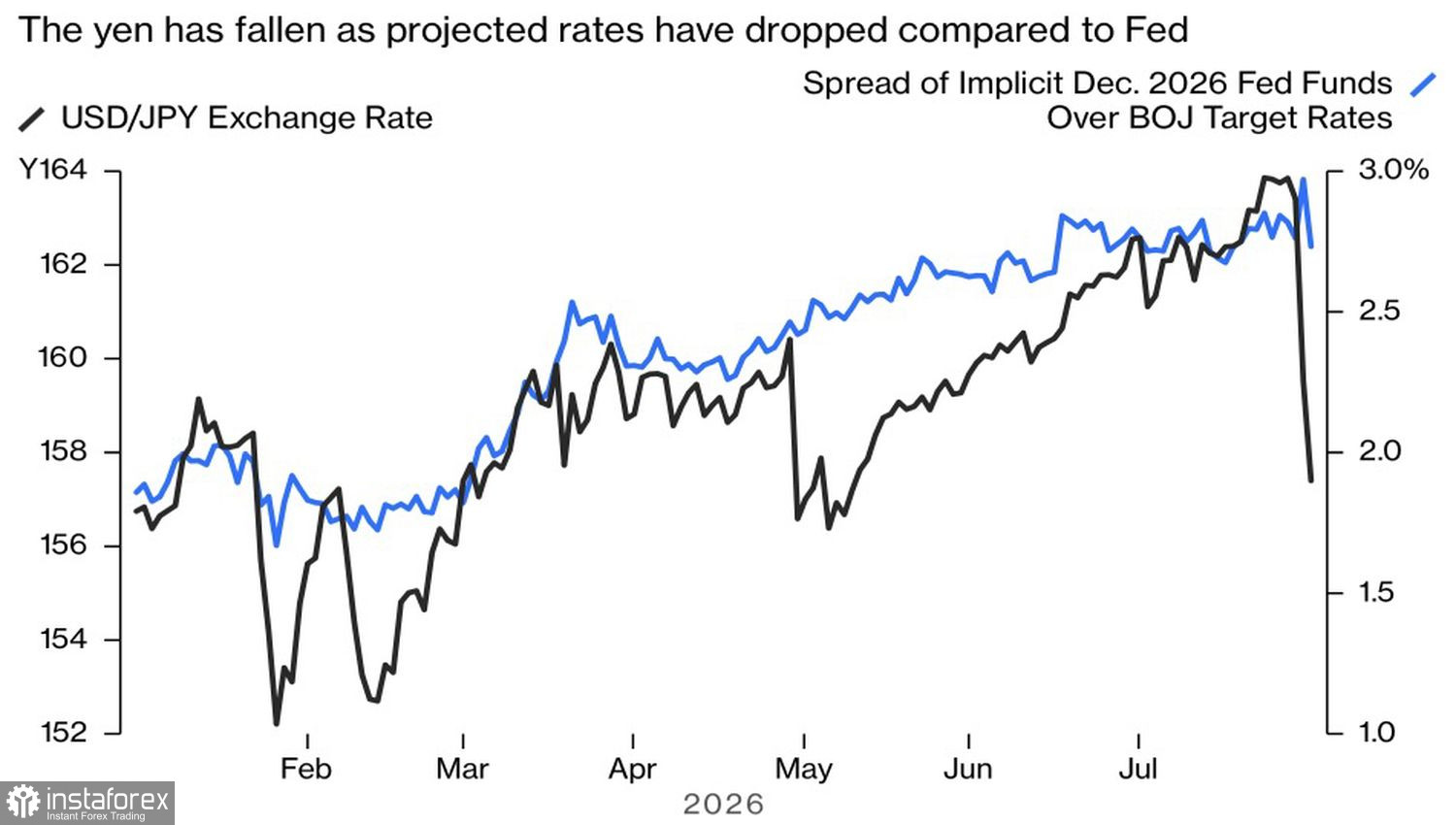
However, calling this a structural reversal would be premature. According to ING, currency interventions are a temporary remedy, and interest-rate trajectories will determine the fate of the greenback. Money markets continue to price in nearly a 70% probability of tightening monetary policy as early as September and are fully confident in it by the end of the year. If oil does not decline sharply, abandoning monetary tightening would hurt trust in the new Fed chairman far more than any intervention would.
At the same time, the Treasury seems to have financed purchases of yen using euros rather than directly with U.S. dollars—since July 30, the euro has weakened against most of its G10 partners. As a result, the greenback is losing ground against the yen much faster than against the euro.
Meanwhile, geopolitics throws in some hope. Donald Trump canceled a large-scale attack on Iran, and Tehran has reported progress in negotiations with Oman regarding an increase in the number of vessels passing through the Strait of Hormuz. The agreement currently concerns only a temporary route, and there are no signs of a full reopening of the artery. But the market has already become accustomed to buying rumors in advance.
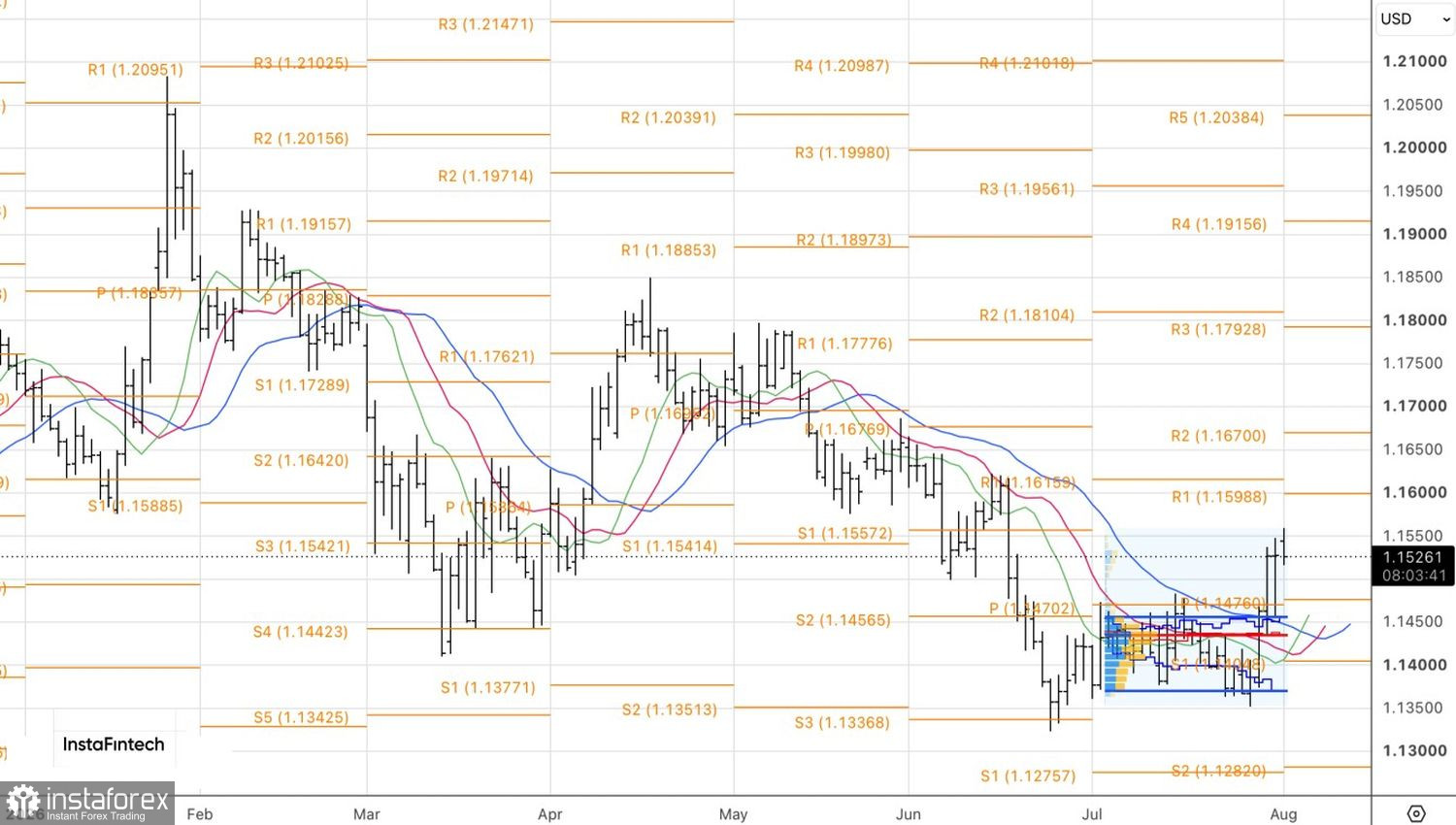
The fundamentals are gradually turning in favor of EUR/USD. Diplomacy instead of bombings in the Middle East is good for the euro, while doubts about Warsh's readiness to raise rates weigh on the U.S. dollar. When combined with currency interventions, the greenback's positions begin to crack at the seams. However, it has no intention of giving up just yet.
Technically, a bar with a long lower shadow has formed on the daily chart of EUR/USD, indicating the weakness of the bears. A breakout above the resistance levels at 1.1545 and 1.1560 would provide a basis for increasing long positions in euros against the U.S. dollar formed on the bounce from 1.1470.


