Lihat juga


 18.06.2026 08:18 AM
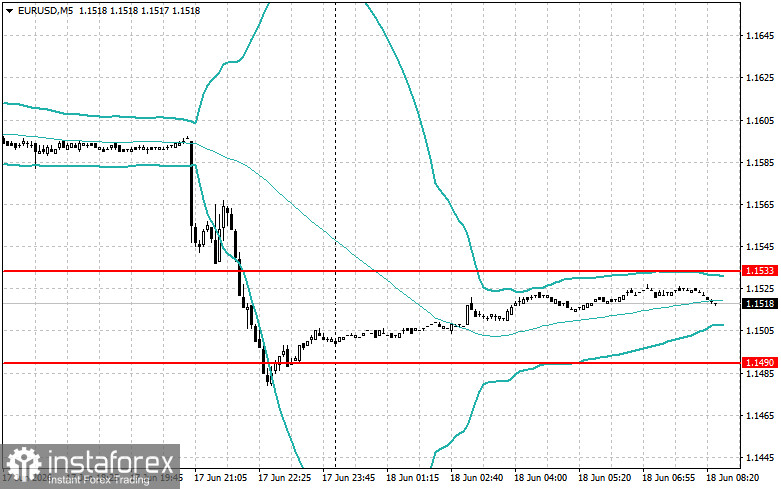
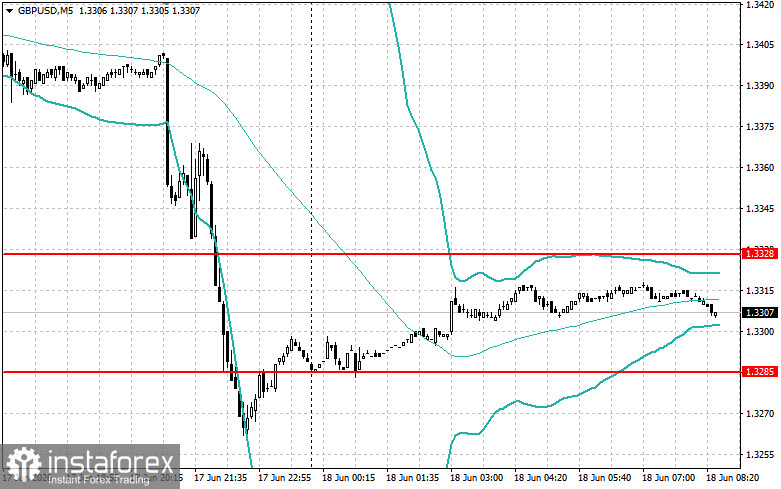
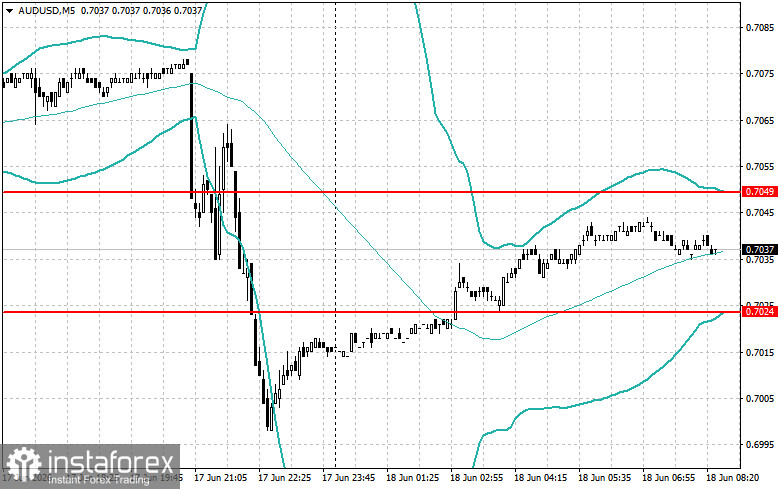
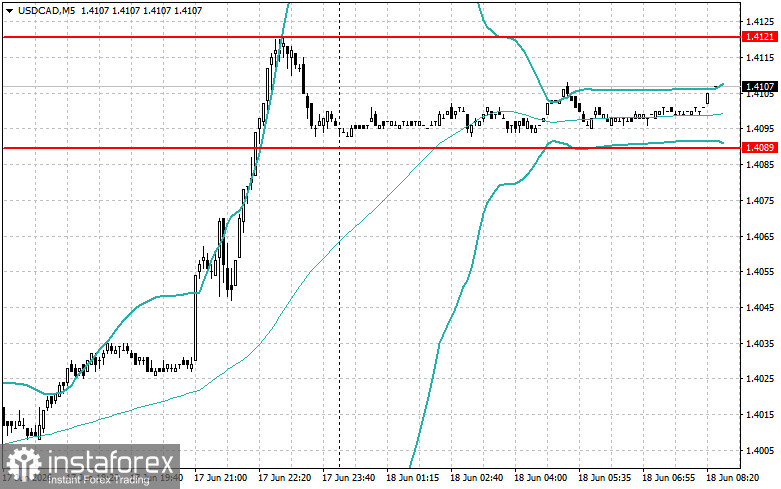
Yesterday, the dollar strengthened against all major currencies after the Federal Open Market Committee (FOMC) unanimously voted to maintain the key interest rate at 3.75%. However, the sharp rise in the dollar is not solely attributable to this.
The dollar's rise is directly linked to expectations of further Federal Reserve tightening, making it more attractive to traders. Experts predict that if inflationary pressure in the U.S. continues, the Fed might implement a more aggressive rate hike by the end of this year, as warned during yesterday's committee meeting. The only factor that could reduce demand for the dollar is the actual signing of the memorandum of understanding between the U.S. and Iran, scheduled for tomorrow. Without this, the dollar is likely to keep rising.
Today, we expect the President of the Bundesbank, Joachim Nagel, to speak, as well as the publication of the European Central Bank's current account balance data. These events are unlikely to have a significant impact on the European currency's dynamics in the first half of the day, leaving it under pressure from the dollar. Traders will be closely watching Nagel's comments regarding inflationary prospects and potential steps from the ECB. Any hints of further tightening could support the euro; however, the market currently appears more skeptical.
The publication of the ECB's current account balance is also not expected to bring about drastic changes. Although a positive balance may indicate the competitiveness of the Eurozone, such statistical data rarely have the power to overturn global trends, particularly when the factor of rate hikes by the U.S. Federal Reserve is dominant.
Regarding the pound, the focus is on the Bank of England's decision on the key interest rate. It is expected that the central bank will maintain its current monetary policy parameters, keeping the rate unchanged. This outcome, barring any surprises, is likely to continue putting pressure on the British pound, contributing to its further weakening against major world currencies, particularly the U.S. dollar.
Despite the anticipated stability in interest rates, uncertainty surrounding inflation in the UK remains high. The market will closely analyze the accompanying comments from the BoE for hints about future actions and assessments of economic prospects. Any signals of possible future tightening could temporarily support the pound; however, at present, pessimism prevails.
If the data aligns with economists' expectations, it is better to act based on the Mean Reversion strategy. If the data is significantly above or below economists' expectations, the Momentum strategy is the best choice.