
আরও দেখুন


 19.12.2025 12:37 PM
Today, only the Australian dollar and the euro were traded using the Mean Reversion strategy. I traded the Japanese yen using the Momentum strategy.
As the data showed, German producer prices were unchanged compared with the previous month, which put slight pressure on the EUR/USD pair in the first half of the day. The impact of this factor on the currency market was limited, as traders continue to bet on a slowdown in price pressures in the region. The lack of growth in German producer prices may indicate easing inflation in the eurozone, which in turn could influence ECB decisions.
The pound also reacted with only a slight decline to weak UK retail sales data, which keeps the chances of a new upward wave in the pair during the U.S. session.
In the second half of the day, attention will turn to U.S. housing market data. The secondary (existing-home) sector also serves as an important indicator of overall economic well-being. Strong sales volumes point to consumer confidence in the future, stable financial conditions, and attractive lending terms, which could provide short-term support for the dollar. This will be followed by the consumer sentiment index published by the University of Michigan. This indicator is a barometer of consumer optimism or pessimism, based on household surveys. An increase in the index always supports gains in the U.S. dollar.
If the data are strong, I will rely on the Momentum strategy. If there is no market reaction to the data, I will continue to use the Mean Reversion strategy.
For EUR/USD
For GBP/USD
For USD/JPY
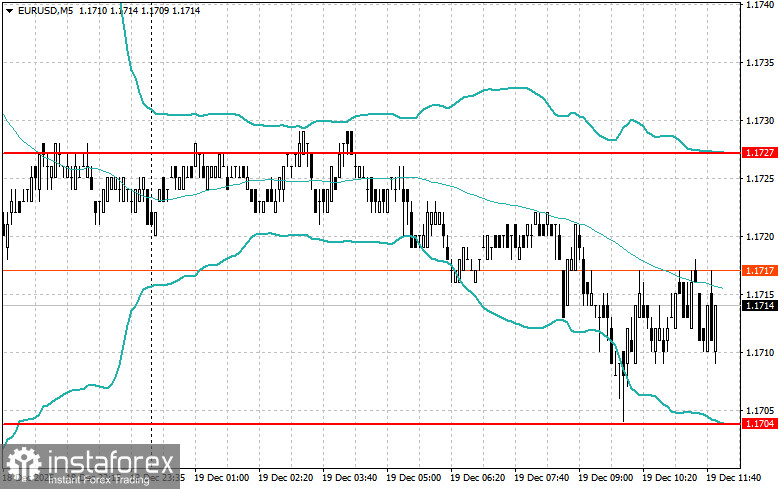
For EUR/USD
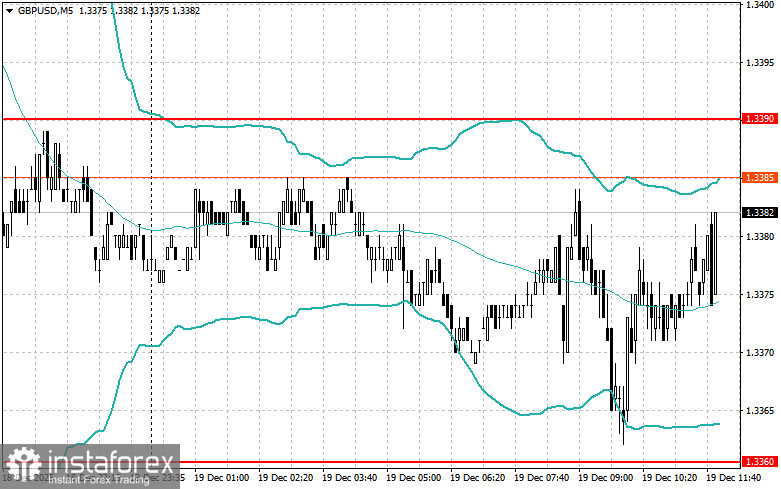
For GBP/USD
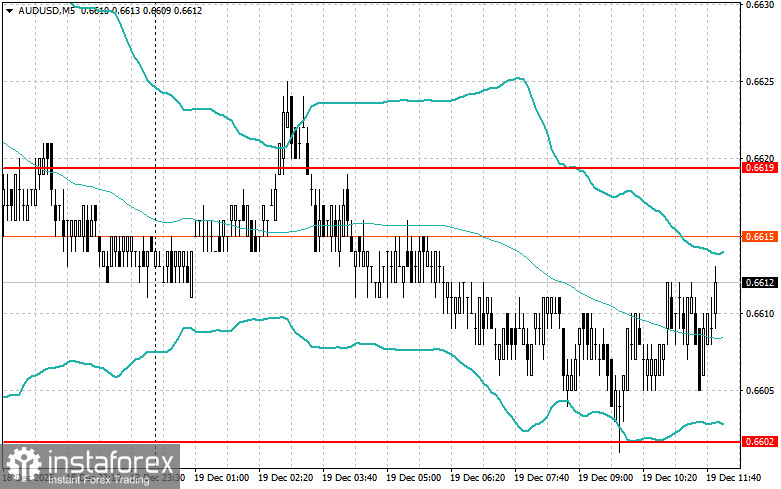
For AUD/USD
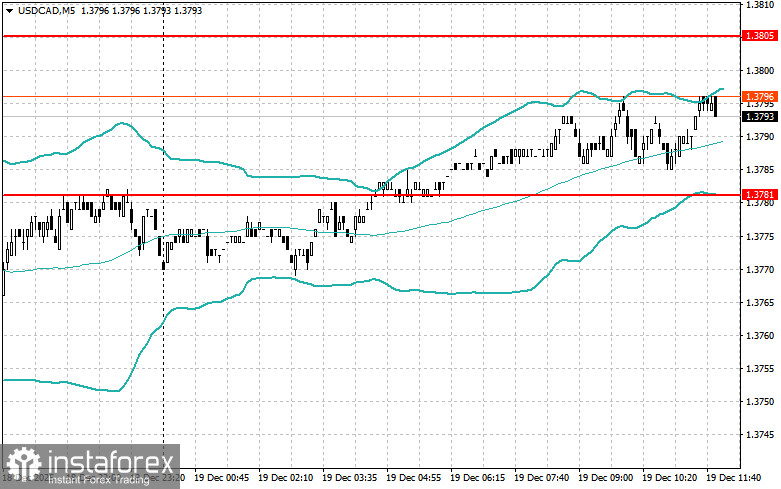
For USD/CAD


